Weed Control in Lexington, SC: The Weeds We See Most (and When They Pop Up)
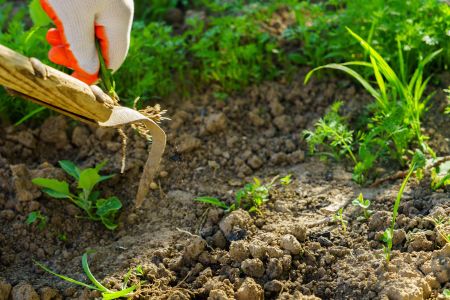
Lexington lawns face a steady rotation of invaders as our seasons change. Warm, humid summers, mild winters, and heavy clay soils create ideal conditions for certain weeds to rise and fall on a predictable schedule. In this guide, we map out when the big offenders show up, how they behave in our area, and why timing is everything for a clean, healthy yard. If you want year-round protection without the guesswork, our local team at Fisher Residential Lawn Services delivers targeted weed control and fertilization built for Lexington’s climate and grass types.
Why Weeds Show Up In Lexington Yards
Weed pressure in Lexington is driven by soil temperature, moisture swings, sunlight, and turf density. While every yard is different, several patterns are common across neighborhoods like Saluda River Club, Golden Hills, and the White Knoll area. Winters are often mild, which allows winter annuals to sprout early and hang around longer. Summer storms followed by heat kick off fast flushes of growth for sedges and spurge.
Soil temperature is the clock weeds follow. When soils warm to the mid 50s in late winter or early spring, crabgrass wakes up. When rains hit and humidity climbs in late spring, nutsedge takes off. Thin turf or compacted clay opens sunlight and space at the soil line, which gives weed seeds just what they need to sprout.
The Weed Calendar For Lexington, SC
Think of this as a local playbook. Timing can shift a bit with unusual cold snaps or early heat, but the order stays similar year to year.
Late Fall To Early Spring: Winter Annuals Emerge And Overwinter
As nights cool in September and October, winter weeds begin to germinate. You may not notice them until the grass goes dormant, then they seem to appear overnight.
- Annual bluegrass (poa annua): Germinates in fall, forms soft green clumps that stand out in winter. It drops lots of seed in spring.
- Henbit and chickweed: Purple flowers on henbit and low, mat-forming chickweed are common from December through March.
- Cudweed and lawn burweed: Show up in thin areas and shaded spots, especially along fence lines and under trees.
Homeowners often think these showed up in January, but most actually sprouted in the fall and grew slowly until warm winter days sped them up.
Late Winter To Mid Spring: Crabgrass Starts Moving
Crabgrass is a summer annual, but it gets its start when soils first creep into the mid 50s. In Lexington, that’s typically late February into March. Seedlings look like thin, light-green blades at first. By late spring, they sprawl and smother nearby grass. Pre-emergent timing is critical for this one, because it stops seeds before they sprout. Miss that window and the plant grows fast as temperatures rise.
Late Spring Through Summer: Nutsedge, Spurge, And Goosegrass
Once we hit May and early June, moisture and heat combine to bring out a different cast of characters:
- Nutsedge: Shoots up in yellow-green spikes after rain or heavy irrigation. It outgrows the lawn in a few days and spreads by underground tubers.
- Spurge: Forms flat mats in sunny, open areas. You’ll see it in driveway edges, along sidewalks, and any thin turf.
- Goosegrass: Similar to crabgrass but tougher looking, with compressed leaf sheaths that form a wagon-wheel shape at the base.
- Dallisgrass: A deep-rooted perennial that clumps and sends up tall seedheads. It thrives in wet, compacted clay and near swales.
These weeds love the same conditions our summer grasses need, which is why thick, consistent turf is such an important line of defense.
Late Summer To Early Fall: The Last Push And Reset
As heat peaks and days begin to shorten, spurge and sedges may surge after late thunderstorm patterns. Meanwhile, lawns stressed by traffic, fungus, or drought can thin out and create new openings. By September, the cycle resets as the next round of winter annuals, especially annual bluegrass, begin germinating again.
The Usual Suspects In Lexington Lawns
Crabgrass
This summer annual is the poster child of timing. Expect the first sprouts in March when soil temperatures hit the mid 50s. Left unchecked, crabgrass branches into wide, sprawling plants that compete with Bermuda and zoysia. In Lake Murray shoreline neighborhoods, the extra warmth from rock and concrete surfaces can speed up emergence along seawalls, walkways, and boat ramps.
Nutsedge
Nutsedge is not a grass or a broadleaf. It is a sedge, which is why it grows faster than the lawn after rainy spells and keeps popping up in the same spots. Yellow nutsedge is most common in Lexington, especially where soil stays damp or irrigation runs long. You’ll see its glossy, upright leaves stick out a couple inches above the yard only days after mowing. It often shows mid May through summer and can continue until the first good cold snaps.
Spurge
Spurge loves heat and sunlight. It shows up from late spring through late summer in thin or compacted places like curb edges, mailbox areas, and newly repaired utility cuts. The flat mats compete for space at the soil surface and can quickly fill a bare patch. In freshly sodded lawns, gaps between pieces are prime real estate for spurge until the sod knits together.
Annual Bluegrass (Poa Annua)
Poa annua germinates in fall, hides low during early cold, then becomes obvious when your warm-season turf slows down. It creates bright green tufts and sets seed in spring. Because it starts in autumn, fall prevention is a key part of the plan for clean winter and early spring lawns.
Dallisgrass
Unlike crabgrass, dallisgrass is a perennial clump-former. It tolerates our heavy clay and sticks around year to year if not addressed. You’ll often see it near drainage areas or in older sections of town where compaction is higher. Its tall seedheads appear through summer, and the clumps can widen if space allows.
What Proper Timing Looks Like In A Professional Program
A strong program in Lexington targets pressure before and after weeds sprout, supports the turf so it can compete, and adjusts to weather swings. Instead of a one-size-fits-all schedule, your plan should match your grass type, shade, and watering pattern. That is how Fisher Residential Lawn Services approaches it through the season with careful monitoring and service windows that align to local soil temperatures and rainfall.
Here is a quick seasonal snapshot of how professionals manage pressure in our area:
- Late winter into early spring: Focus on prevention for crabgrass and other summer annuals while inspecting winter weeds.
- Late spring through summer: Address sedges, spurge, and other heat-driven weeds with selective, targeted treatments.
- Early fall: Reset the lawn for winter by preventing annual bluegrass and other winter weeds from establishing.
- All season: Strengthen turf density, balance nutrition, and reduce compaction so grass can crowd out seedlings.
If you want a consistent plan that blends prevention with well-timed follow-up, our team can tailor the approach for your property through our dedicated weed control and fertilization service.
Lexington Neighborhood Factors That Influence Weeds
Across Lexington, site conditions can shift block to block. Yards around Lake Murray often run wetter along the shoreline, which favors sedges. Interior neighborhoods like Golden Hills and Saluda River Club may have more shade and mature trees that thin out warm-season turf in certain pockets. Along busy roads or near school campuses in the White Knoll area, foot traffic and parking compact soils, which creates open seams in the lawn where weeds take root.
Common local factors include:
- Heavy clay soils that hold water after storms, then harden as they dry.
- Shade from oaks and pines that weakens warm-season grasses under dense canopies.
- Edges and heat sinks along sidewalks, driveways, and patios that warm up early in spring.
- Low areas or swales that stay damp and favor sedges and dallisgrass.
For homeowners comparing options, Weed Control in Lexington, SC depends on aligning service windows to these micro-conditions. That keeps the schedule proactive even when the weather whipsaws from cool mornings to hot afternoons.
When Each Weed Typically Pops Up In Lexington
While every season is a little different, the windows below reflect what we see most often around town. Your lawn’s exact timing can shift with shade, irrigation, and soil compaction, but this guide will help set expectations.
February to April: The crabgrass clock starts as soils warm into the mid 50s. Early sprouts are easy to miss, but by late April the plants spread wide and get tougher to manage. Annual bluegrass from fall is very visible now and may be setting seed as temperatures rise.
May to August: After late spring rains, nutsedge shoots above the lawn within days. Spurge fills bare edges in full sun, and goosegrass shows in high-traffic areas. Dallisgrass keeps sending up seedheads and widens clumps in damp or compacted spots.
September to November: As nights cool, the next generation of winter weeds germinates. Poa annua builds a base during fall and becomes obvious once your warm-season turf slows down for winter. Early prevention in this window pays off with a cleaner January and February.
Grass Types In Lexington And Why That Matters
Most Lexington lawns are Bermuda or zoysia, with some centipede and St. Augustine in shadier or protected spots. These grasses grow fast in heat but slow down in cold, which is why winter weeds stand out so much. When Bermuda or zoysia thin from shade or traffic, sun reaches the soil and gives seeds the light they need. That is why strengthening the grass and managing compaction are as important as targeting weeds themselves.
Thicker turf is your best long-term defense. A lawn with even coverage, good nutrition, and proper mowing height crowds the soil surface and leaves little room for invaders to grab hold.
How Fisher Residential Lawn Services Handles Weed Pressure Here
Our local team builds a plan around Lexington’s weather rhythm. We monitor soil temperatures, track rainfall, and watch known hot spots like curb lines, mailbox areas, and swales. Communication is simple and clear, so you know what is happening and why. The goal is a consistent, even lawn that looks good in every season, not short bursts that fade when the next weather swing hits.
Here is how we approach it in practical terms:
- We set prevention windows ahead of expected germination for crabgrass and winter weeds.
- We address sedges, spurge, goosegrass, and dallisgrass during active growth windows with targeted follow-ups as needed.
- We support your turf with the right seasonal nutrition so it can outcompete new seedlings.
- We adjust for shade, irrigation schedules, and traffic patterns that influence how weeds move across your yard.
The result is steadier color, fewer bare spots, and a lawn that resists rebounds even after big summer storms.
Putting The Calendar To Work For Your Lawn
Now that you know when Lexington’s most common weeds tend to appear, you can set expectations for what a healthy seasonal rhythm looks like. Winter weeds will try to fill space as your warm-season grass slows down. Spring brings the crabgrass clock. Summer storms fuel nutsedge and spurge. Fall resets the cycle. The right plan stays one step ahead and treats the lawn like a living system rather than a once-a-year project.
If you are ready to protect your yard across those windows with a steady, local program, call Fisher Residential Lawn Services at 864-398-3058 and ask about our weed control program designed for Lexington’s climate and neighborhoods.
Transform Your Lawn. Contact Our Lawn Care & Landscaping Experts In Lexington SC Today!