Fertilization & Weed Control Plan For Midlands Lawns In Lexington, SC (Month-By-Month)
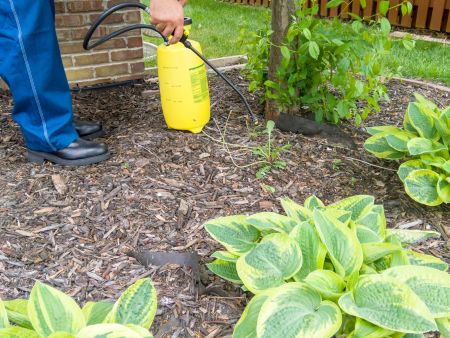
If you want a thick, clean yard all year, a clear plan for lawn fertilization in Lexington, SC, paired with targeted weed control, is the difference maker. The guide below shows how a professional schedules treatments across our Midlands seasons and where a focused weed control and fertilization program fits in for reliable results.
Lexington sits in the Midlands, so our weather swings from mild winters to long, humid summers. That means warm-season grasses like bermuda and zoysia wake up fast once soil warms, while tall fescue perks up in spring and fall but struggles in peak heat. A smart plan follows the grass, not the calendar on the fridge.
Why Timing Matters For Lexington, SC Lawns
Timing is everything because weeds germinate when the soil hits certain temperatures, and diseases flare when nights stay warm and damp. Spring crabgrass pops as soils pass the mid-50s. Winter annuals like henbit and chickweed sprout in the fall. Brown patch disease loves warm, muggy nights on fescue. Pros track these cues across neighborhoods from Lake Murray and White Knoll to Oak Grove, Red Bank, Irmo, and West Columbia so treatments land right when they matter most.
Month-By-Month Lawn Fertilization And Weed Control Schedule
January–February: Protect The Start
Winter is prep time. Pros focus on soil health and scheduling the first pre-emergent before warm spells nudge soil temps upward. For warm-season lawns, the goal is to hold back early weeds without forcing growth too soon. For fescue, nutrition is steady and light, so it stays dense without tender new growth that could invite disease in spring.
March–April: Pre-Emergent Timing And Spring Green-Up
This is the critical window for pre-emergent timing that blocks crabgrass and other spring annuals. A balanced, professional-grade fertilizer wakes up Bermuda and zoysia without pushing surge growth. Fescue gets nutrients matched to soil needs for color and density. Broadleaf weeds that slipped through get spot control so your green-up is even across the yard, including high-visibility edges along sidewalks and drives where heat speeds weed germination.
May–June: Steady Feeding And Breakthrough Patrol
As days heat up, the plan keeps nutrients coming at rates that fit your grass type. Spot treatments knock out clover and spurge that try to sneak in. Techs watch irrigation patterns, slopes, and curbs where pre-emergent barriers may thin, then adjust with touch-up controls so small issues do not become midsummer patches.
July–August: Summer Stress Management
Midlands summers are long and humid, so the goal is to maintain color and density without overstimulating growth. Warm-season lawns get measured feeding to stay thick, which naturally crowds weeds. Fescue is protected from stress with light, targeted nutrition, and watchful disease prevention. Avoid pushing fescue hard in peak heat because soft growth invites disease and thins the stand.
September–October: Fall Recovery And Second Defense
Cooler nights help both warm-season and cool-season lawns reset. Pros often use a fall pre-emergent to block winter annual weeds like poa annua that love our mild winters. Fertilization supports recovery from summer stress on Bermuda and zoysia and sets fescue up for thick tillering. Any late-season broadleaf weeds get selective control, so winter starts clean.
November–December: Hold The Gains
As growth slows, professionals protect their investment. Final nutrition supports roots without triggering late flushes. The yard heads into winter with density and stored energy, so spring green-up is quicker and more even across sun and shade pockets near trees and along the lake breeze corridors by Lake Murray.
Pre-Emergent Timing That Works In The Midlands
Crabgrass control starts before you see a single blade. Professionals schedule the first barrier as soils warm from late winter into early spring, focusing on open, heat-prone areas near driveways and streets where temperatures rise sooner. A fall application is common for blocking winter annuals. Because every property warms differently, techs adjust timing across neighborhoods, then return for follow-ups where foot traffic or edging may have thinned the barrier.
- Spring barrier targets crabgrass and other warm-season annual weeds before germination.
- Fall barrier suppresses poa annua, henbit, and chickweed through our mild winters.
Do not wait until weeds appear; pre-emergent is a shield that must be in place first for best results.
Brown Patch Prevention For Tall Fescue
Brown patch thrives when nighttime air stays warm, and the lawn remains damp. In the Midlands, that risk rises in late spring and can flare again in early fall if nights are muggy. Pros combine balanced nutrition, mowing height guidance, and well-timed fungicide strategies to protect fescue in shaded Lexington streets and irrigated areas that hold moisture.
Prevention beats recovery. The plan aims to keep fescue dense without excess nitrogen at the wrong times. Technicians also watch airflow around foundation beds and fence lines where humidity lingers, then tailor treatments so the whole lawn stays even instead of losing sections to disease rings.
What A Professional Program Includes Throughout The Year
A season-long program is built to anticipate Midlands weather and your grass type, not just react to problems. Here is what homeowners can expect when experts manage the schedule:
- Soil-first fertilization with rates and sources chosen for Bermuda, zoysia, or tall fescue.
- Pre-emergent timing matched to soil temperatures and microclimates on your property.
- Post-emergent spot control for breakthrough weeds without blanketing the whole yard.
- Ongoing monitoring of disease pressure, especially brown patch in fescue.
- Adjustments at curbs, driveways, and sun-scorched edges where weeds try to slip in.
If you are comparing options, start with the schedule. A true season plan ties fertilization to weed control and disease prevention, so each visit supports the next. That is how you get the thick, uniform look that sets off homes in Lexington and nearby lake communities.
Warm-Season And Cool-Season Grasses Need Different Playbooks
One size does not fit all in our region. Warm-season lawns like Bermuda and zoysia prefer feeding as they power up with heat, then lighter nutrition as nights cool. Fescue wants most of its nutrition in spring and fall, while summers are managed to minimize stress and disease. A professional keeps those paths separate so each grass type gets exactly what it needs.
If your property blends sun and shade, you may even have warm-season turf in front and fescue in back. The plan can split applications, products, and timing so both areas look consistent from the street and the patio. That attention to microclimates is what makes a program feel custom even when the visits are on a regular cadence.
Edge Management, Mulch Lines, And Hardscape Heat
Weed pressure is rarely uniform. Heat from hardscape, thin soil along new construction, and mulch lines that shift over time all change how products perform. Pros reinforce these zones with touch-up controls and adjusted nutrition, which keeps the lawn tight where problems usually start. Over the season, that approach trims the number of visible breakthroughs and maintains curb appeal in high-traffic areas.
Soil Health Sets Up Every Application
Before feeding the plant, professionals pay attention to the soil. Organic matter, pH, and compaction affect how nutrients move and how weeds compete. With a soil-first mindset, each application has more impact, and you get stronger roots that ride out summer heat and winter swings. That is how Midlands lawns go from patchy to polished.
How This Fits Into Your Yard’s Year
In practice, your schedule will match the month-by-month plan above while flexing to the weather. Your technician handles timing and product choice, then communicates what to expect before the next visit. When you see a greener lawn with fewer weeds each month, you know the plan is working the way it should.
For a closer look at how this applies to your property, a quick chat with our local lawn care company will map the plan to your grass type, sunlight, and goals. From Lake Murray lots to in-town neighborhoods near schools and parks, we keep the focus on density, color, and year-round weed suppression.
Ready For A Cleaner, Thicker Lawn?
When you want a smooth, uniform yard that stands out on your street, choose a season-long approach that blends nutrition with proven weed prevention. See how an expert-managed schedule works in our area inside this season-long weed control and fertilization plan built for Lexington and the greater Midlands.
Want a lawn that looks great every month of the year? Call Fisher Residential Lawn Services at 864-398-3058 and get your plan on the calendar today.
Transform Your Lawn. Contact Our Lawn Care & Landscaping Experts In Lexington SC Today!